Astroparticle Physics
at the INFN Padua
The research activities of Group 2 in Padua cover a wide variety of topics, such as gravitational waves and the properties of neutrinos produced in accelerators or nuclear reactors, or originating from the Earth, the Sun, supernovae, or cosmic rays. Our experiments seek to detect new particles, such as the axion, small deviations from the theory of general relativity, or the existence of particular “neutrino-less” beta decays. They detect ultra-high-energy photons from the cosmos and study galaxies to investigate so-called “dark energy.”
Research in astroparticle physics at the INFN is coordinated on a national scale by CSN2.
The INFN section in Padua participates in the following research activities:
Experiments
CTAo
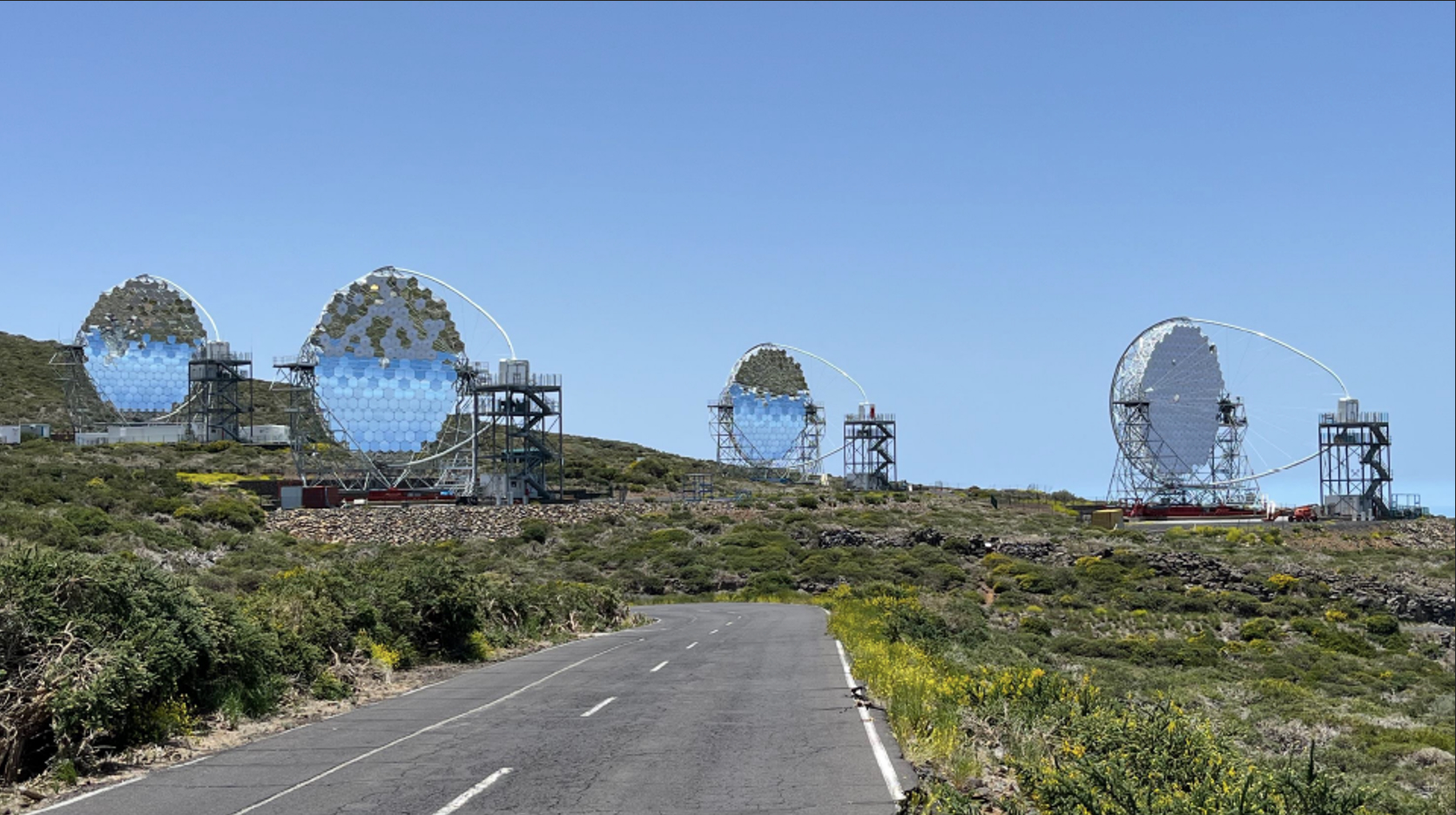
CTAo is a very large astronomical observatory in the Canary Islands dedicated to the study of high-energy gamma rays from the universe. These gamma rays are important indicators of phenomena occurring in the most powerful celestial objects, such as black holes and supernovae, which we can use to test the laws of physics under extreme conditions of energy and gravity. The telescope consists of a massive array of mirrors capable of detecting the faint light emitted by cosmic rays as they pass through the atmosphere.
Click here for more information.

CUORE / CUPID
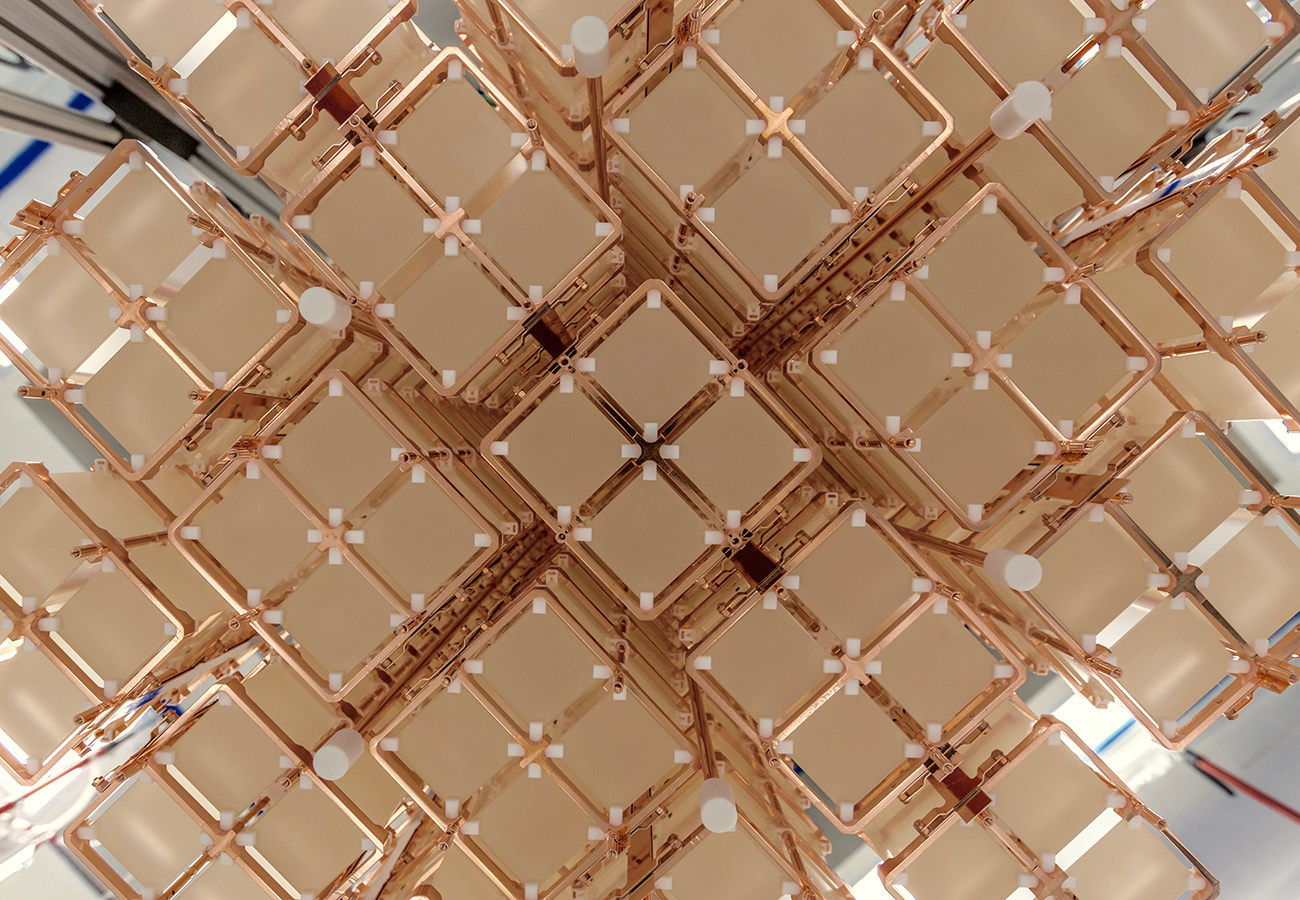
CUPID (CUORE Upgrade with Particle IDentification) is the new experiment currently under construction at the Gran Sasso National Laboratories, dedicated to the study of neutrino-less double beta decay of tellurium. Building on the infrastructure and experience of CUORE, CUPID will use next-generation cryogenic detectors capable of simultaneously measuring the heat and light produced by interactions in the sensitive crystals. This technology will enable effective particle identification and a drastic reduction in experimental background, thereby significantly increasing sensitivity. CUORE is also known as the coldest cubic meter in the universe.

EINSTEIN TELESCOPE (ET)
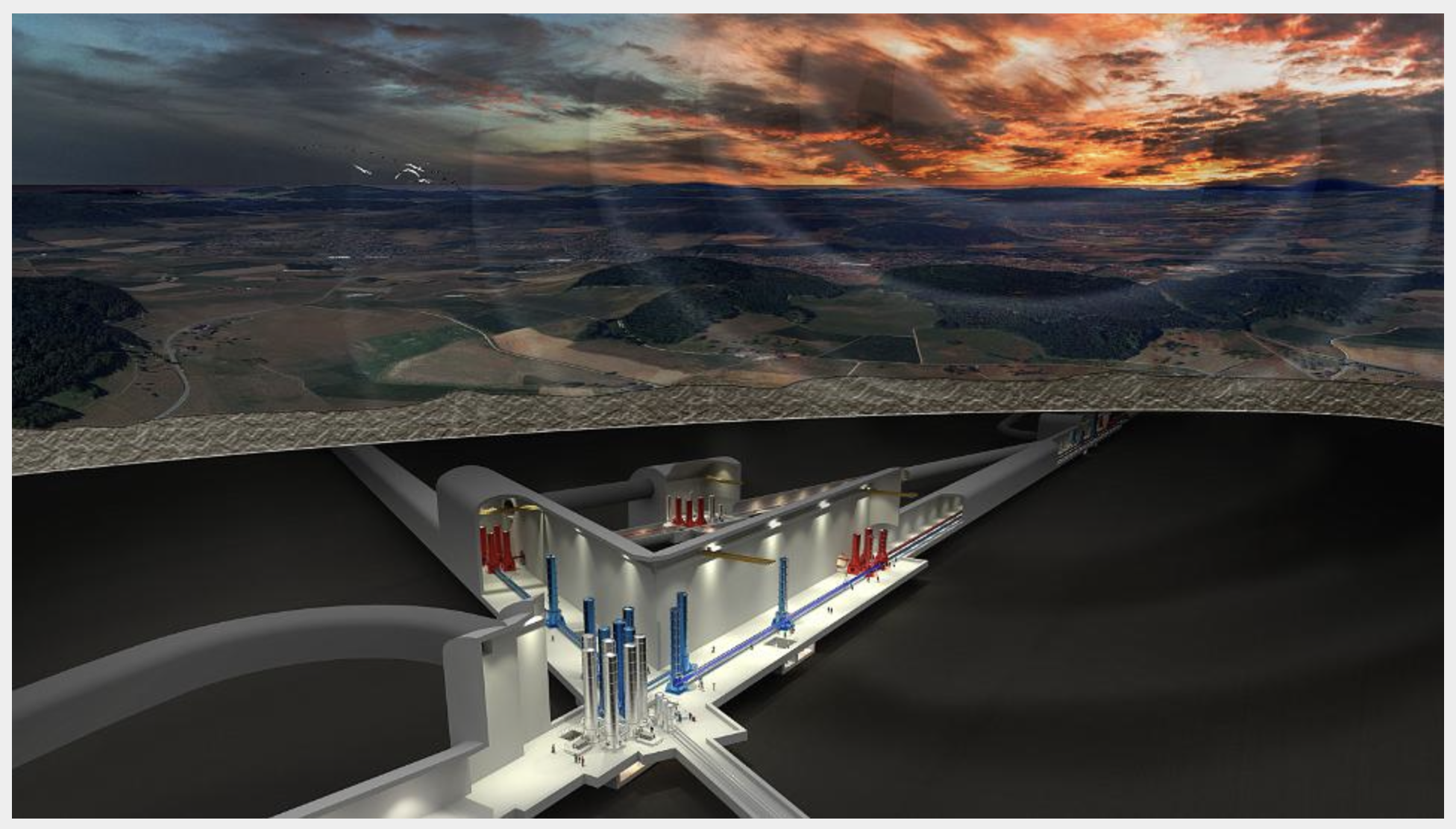
The Einstein Telescope (ET) is the future European gravitational-wave observatory, designed to achieve a sensitivity ten times greater than that of current detectors and to explore lower frequencies. It will enable the study of black holes, neutron stars, and other extreme phenomena, strengthening multimesenger astrophysics and offering new opportunities to investigate the evolution of the Universe and fundamental physics. The Padua group is contributing to the development of key technologies for future detectors, working on low-thermal-noise optical coatings (CoMET, Rovigo), quantum techniques to reduce light fluctuations (LNL), and advanced solutions to mitigate stray light noise at the dedicated laboratory in Padua.

EUCLID
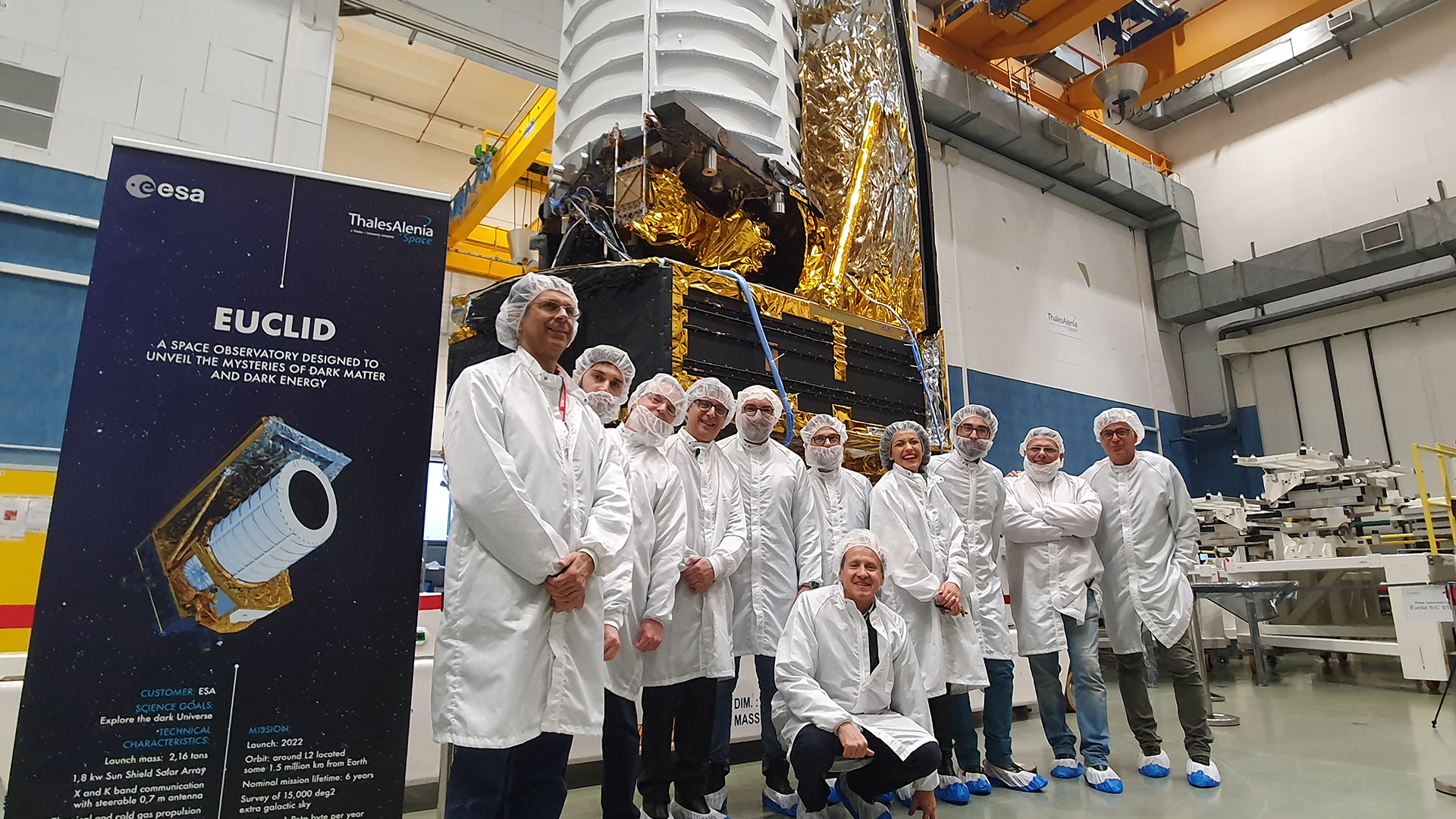
Euclid is a European Space Agency mission designed to map the geometry of the dark universe by analyzing the shapes and redshifts of billions of galaxies across an area covering more than one-third of the sky, with the goal of better defining the nature of dark energy and dark matter. Launched on July 1, 2023, aboard a SpaceX Falcon 9 from Cape Canaveral, it operates from a halo orbit around the L2 point of the Sun-Earth system. The mission is currently in the survey phase; a first set of survey data was released in March 2025, while the first complete release of cosmological data is scheduled for October 2026.
Click here for more information.
FERMI
The Fermi Gamma-ray Space Telescope is a space observatory dedicated to studying the universe at the highest energies. In orbit since 2008, the satellite observes gamma rays emanating from extreme phenomena such as black holes, neutron stars, supernovae, and gamma-ray bursts. Thanks to its sensitivity and wide field of view, Fermi provides a dynamic map of the high-energy sky, contributing to the study of fundamental physics and the most energetic processes in the cosmos, and offering an unprecedented view of physical phenomena ranging from the solar system to the farthest reaches of the cosmos.
Click here for more information.

LEGEND
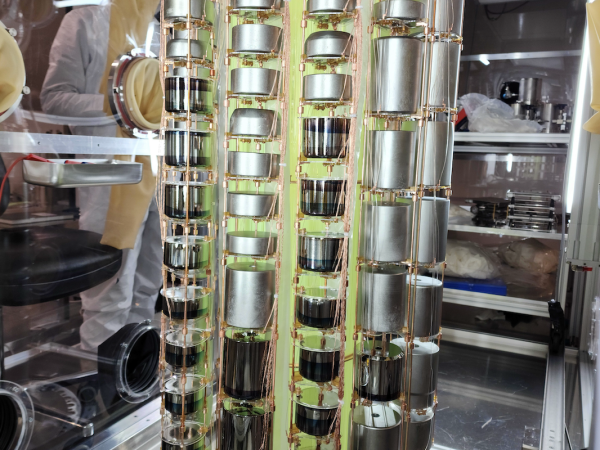
LEGEND (Large Enriched Germanium Experiment for Neutrinoless Double Beta Decay) is an international experiment hosted at the Gran Sasso National Laboratories dedicated to the search for neutrinoless double beta decay in germanium-76. Using ultra-high-purity enriched germanium detectors and advanced background reduction techniques, LEGEND aims to achieve unprecedented sensitivity. The project represents one of the world’s leading efforts to explore new physics beyond the Standard Model through the measurement of extremely rare processes.
Click here for more information.

JUNO
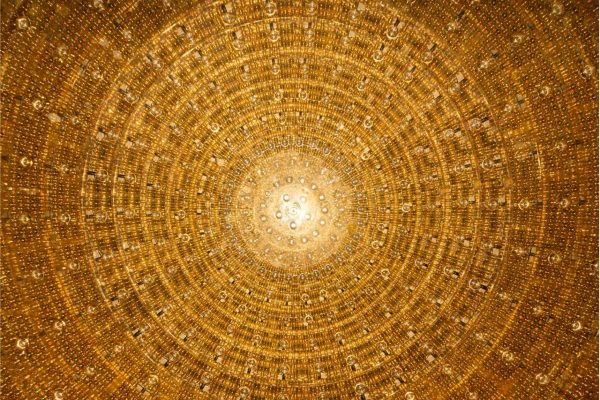
JUNO (Jiangmen Underground Neutrino Observatory) is the world’s largest experiment for studying neutrinos using liquid scintillator technology. The observatory, located about 700 meters underground in Guangdong Province, China, consists of a spherical detector containing 20,000 metric tons of ultrapure liquid scintillator, monitored by approximately 45,000 photomultipliers. This experimental setup allows for the measurement of neutrino energies with unprecedented precision. By observing neutrinos produced by two nuclear power plants, JUNO will determine the order of neutrino masses and significantly reduce the uncertainty in their oscillation parameters. The experiment also serves as a reference observatory for neutrinos originating from the Sun, the Earth’s interior, supernova explosions, and other cosmic sources.
Click here for more information.

KM3NeT
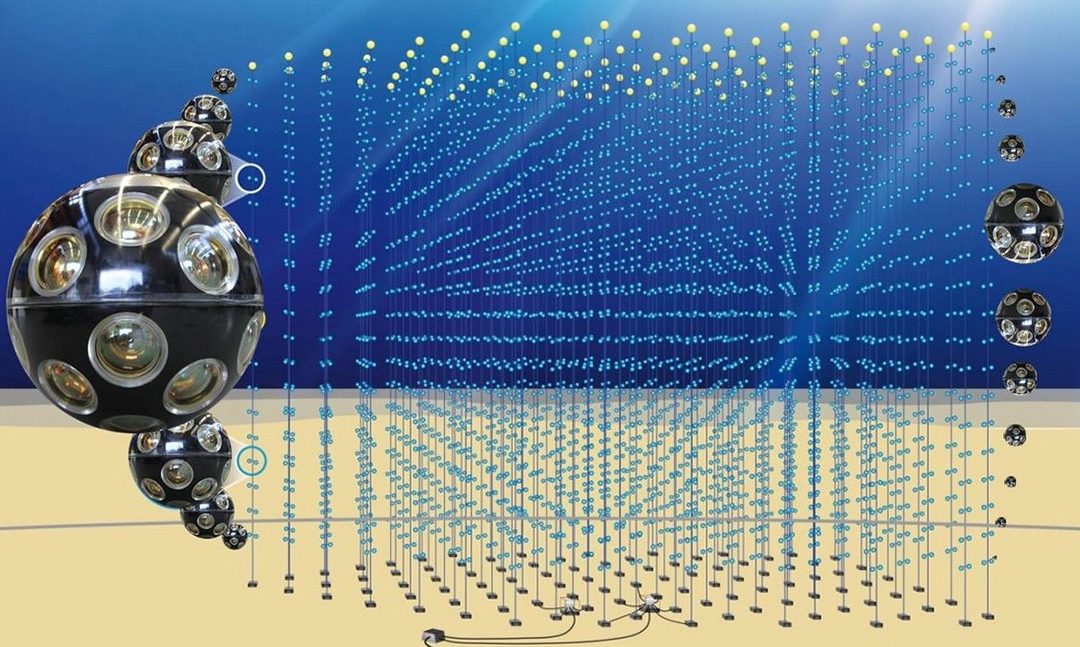
KM3NeT is an infrastructure for detecting neutrinos in the depths of the Mediterranean Sea, consisting of the ARCA telescope (Sicily), dedicated to ultra-high-energy cosmic neutrinos, and the ORCA telescope (France), focused on atmospheric neutrinos. Once installation is complete, KM3NeT will be able to observe 87% of the sky, including the galactic center. It is also a multidisciplinary observatory for monitoring marine ecosystems. In 2025, it detected the highest-energy neutrino ever observed. The Padua Section currently participates as an observer institute.
Click here for more information.

MOONLIGHT-2
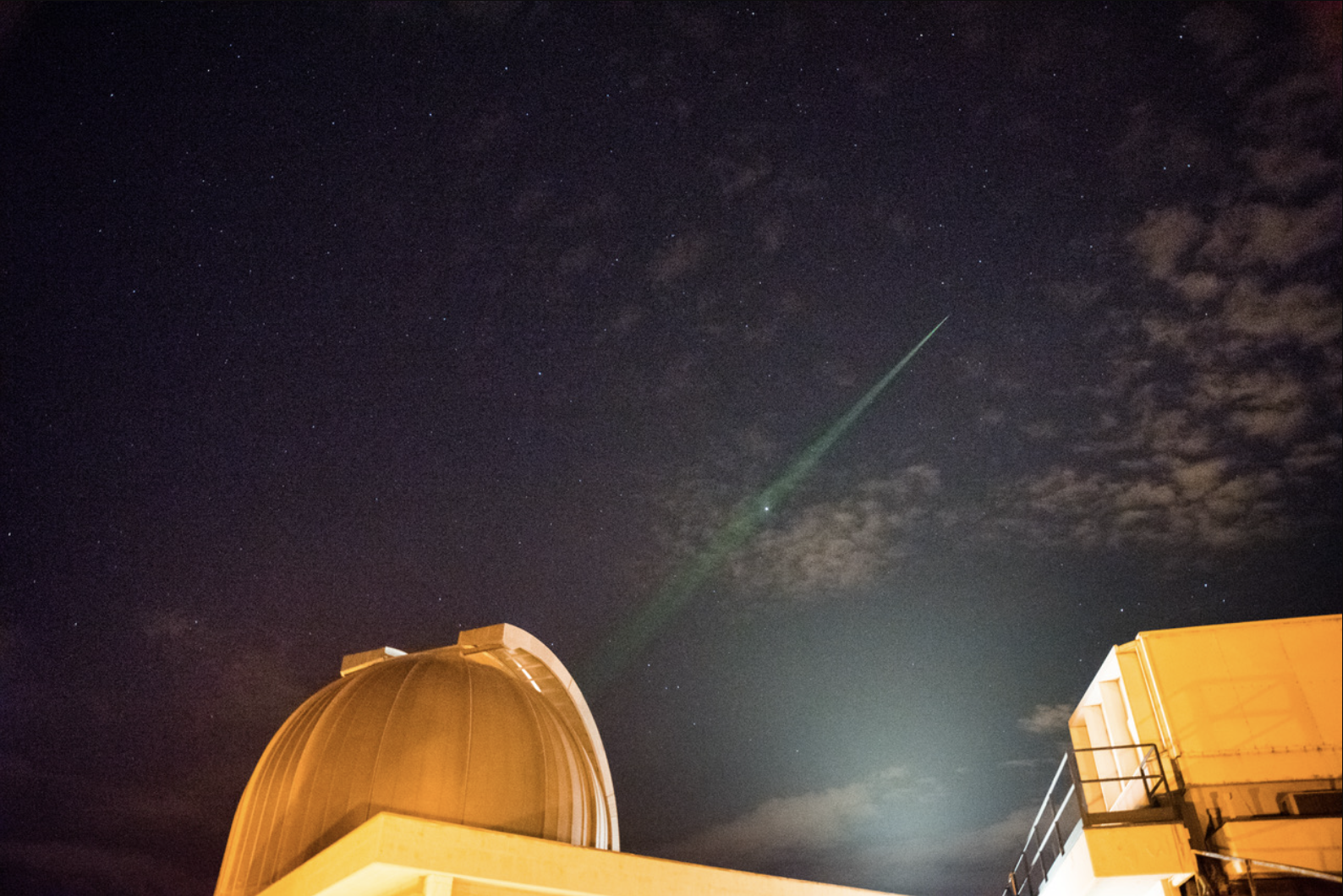
The MoonLIGHT-2 experiment (Moon Laser Instrumentation for General Relativity High-Accuracy Tests) studies gravity by measuring the distance between Earth and other celestial bodies with extreme precision. To do this, it measures the time it takes for laser pulses—sent via telescopes—to travel the distance between the telescopes and reflectors installed on artificial satellites in orbit, on the Moon, or on Mars.
Click here for more information.
QUAX
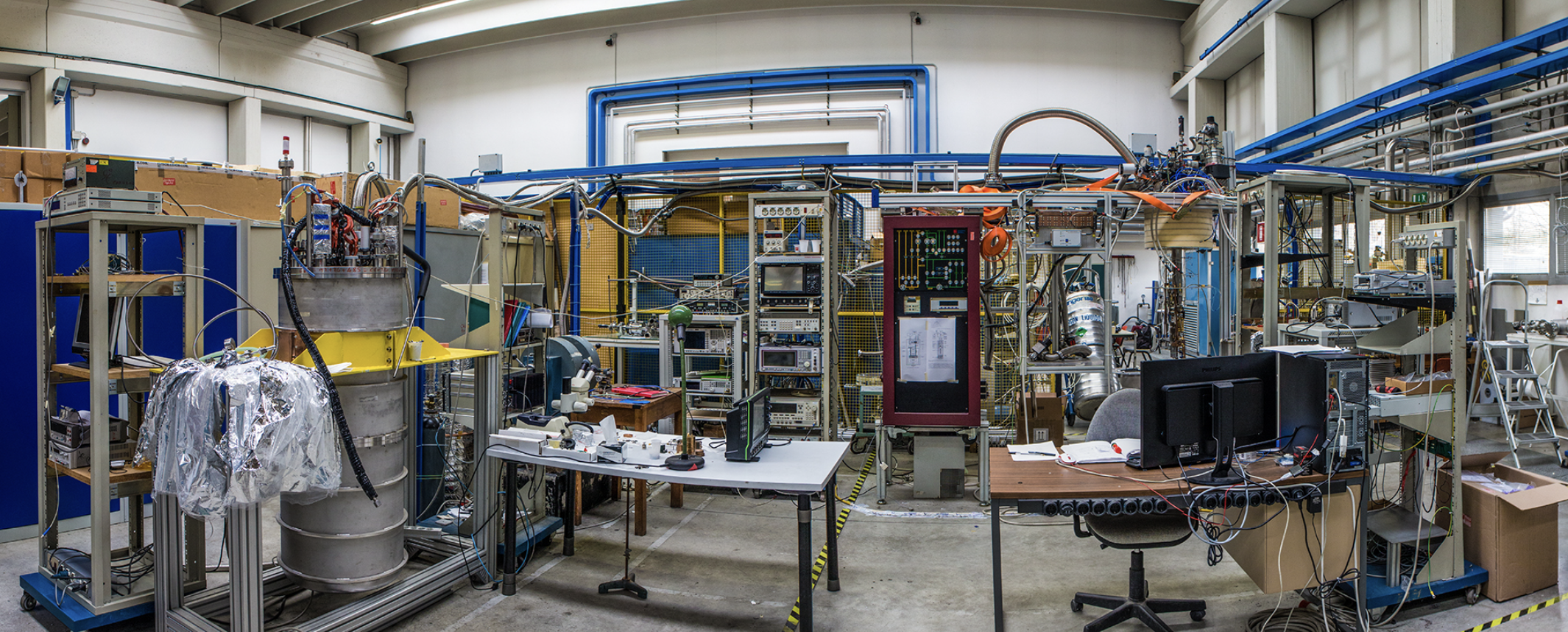
Among the most promising candidates for dark matter are axions. The QUAX experiment, currently underway at the Legnaro National Laboratories, is investigating whether these lightweight but potentially very abundant particles permeate our space. To do so, it uses magnetic spheres placed within a very intense electromagnetic field generated inside a copper conductor excited by radio waves.
RADIOAXON
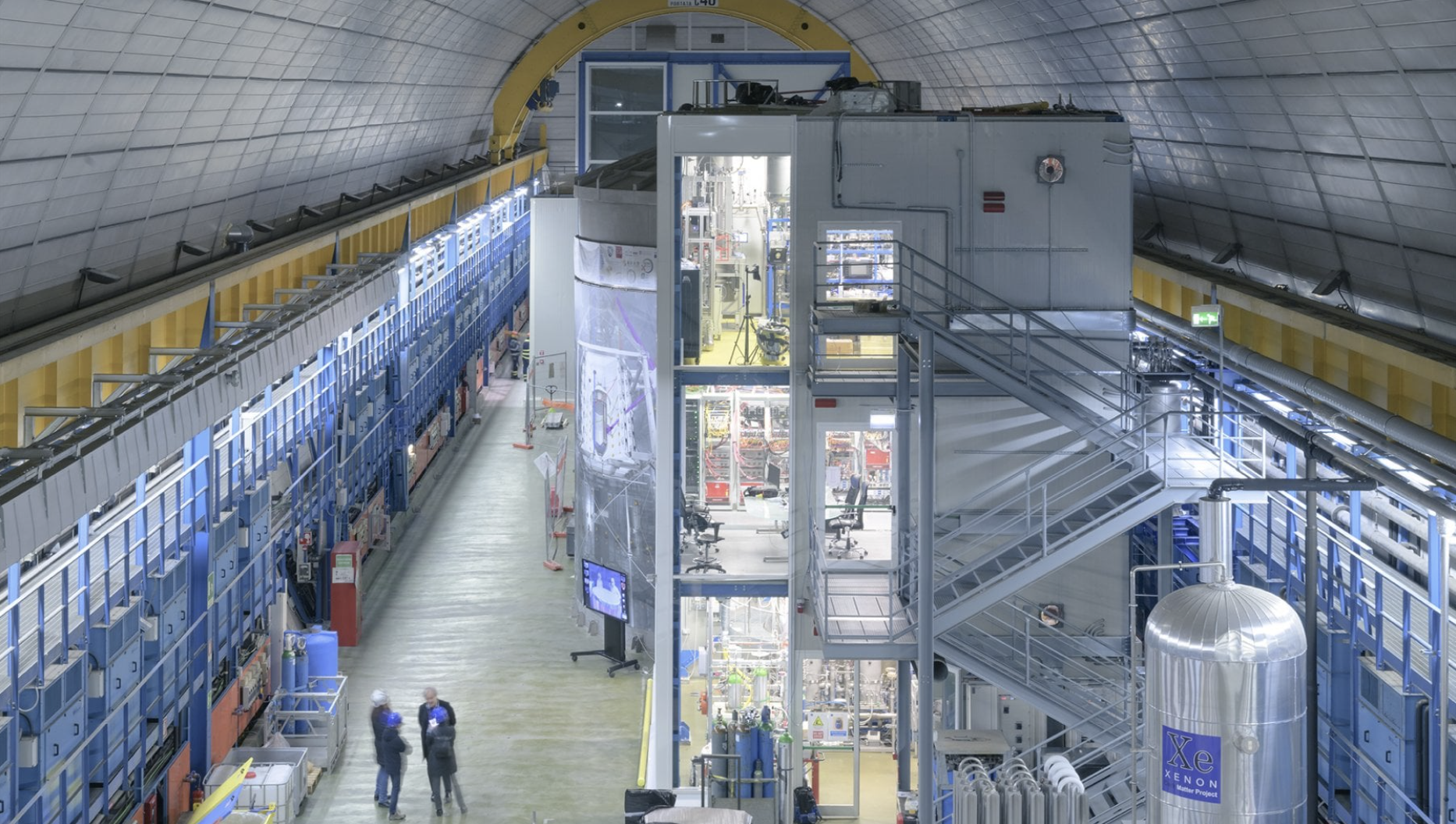
The RadioAxion experiment aims to detect dark matter axions by searching for time-modulated changes in the decay constants of Americium-241 (alpha decay) and Potassium-40 (electron capture decay). To study these decays independently of the cosmic ray flux—particularly its seasonal variation throughout the year (2–3 percent)—we installed the experimental setup in the Gran Sasso Underground Laboratories, in a container located in front of Hall B.
Click here for more information.

SWGO
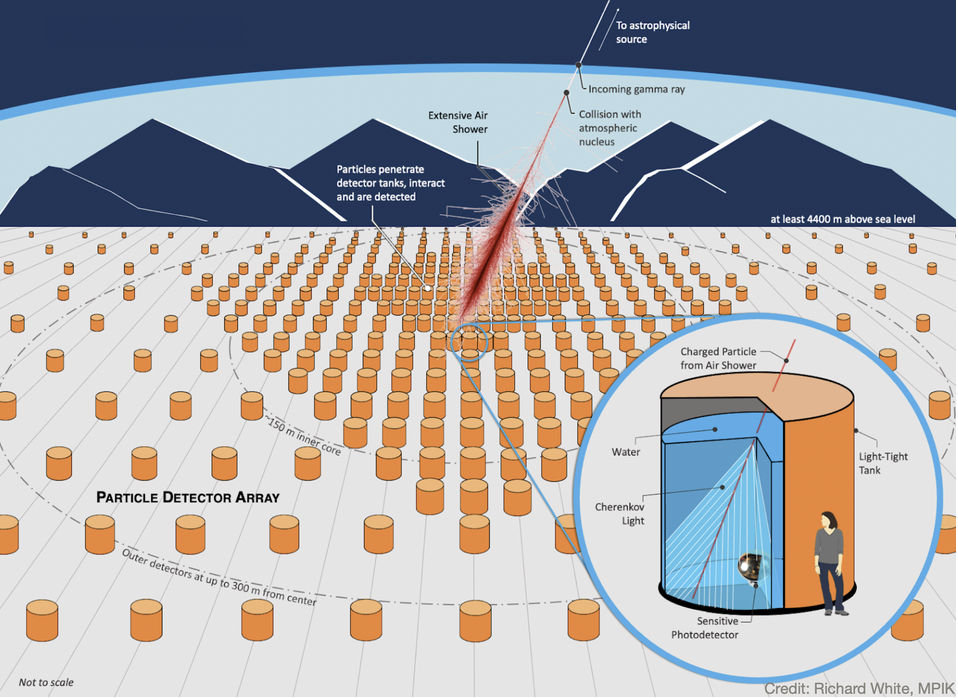
SWGO (Southern Wide-field Gamma-ray Observatory) is an international observatory dedicated to the study of gamma rays and ultra-high-energy cosmic rays through the detection of atmospheric showers produced when they interact with Earth’s atmosphere. The experiment will be installed at high altitude in the South American Andes and will use a network of water-based Cherenkov detectors spread over several square kilometers. SWGO will be sensitive to gamma-ray photons ranging from a few tens of TeV up to tens of PeV and will study the most energetic astrophysical sources and the origin of cosmic rays. Thanks to its wide field of view and high operational continuity, it will continuously monitor a large portion of the southern sky. The project involves a broad international collaboration, with the INFN participating in the development of the detectors and data analysis activities.
Click here for more information.

VIRGO
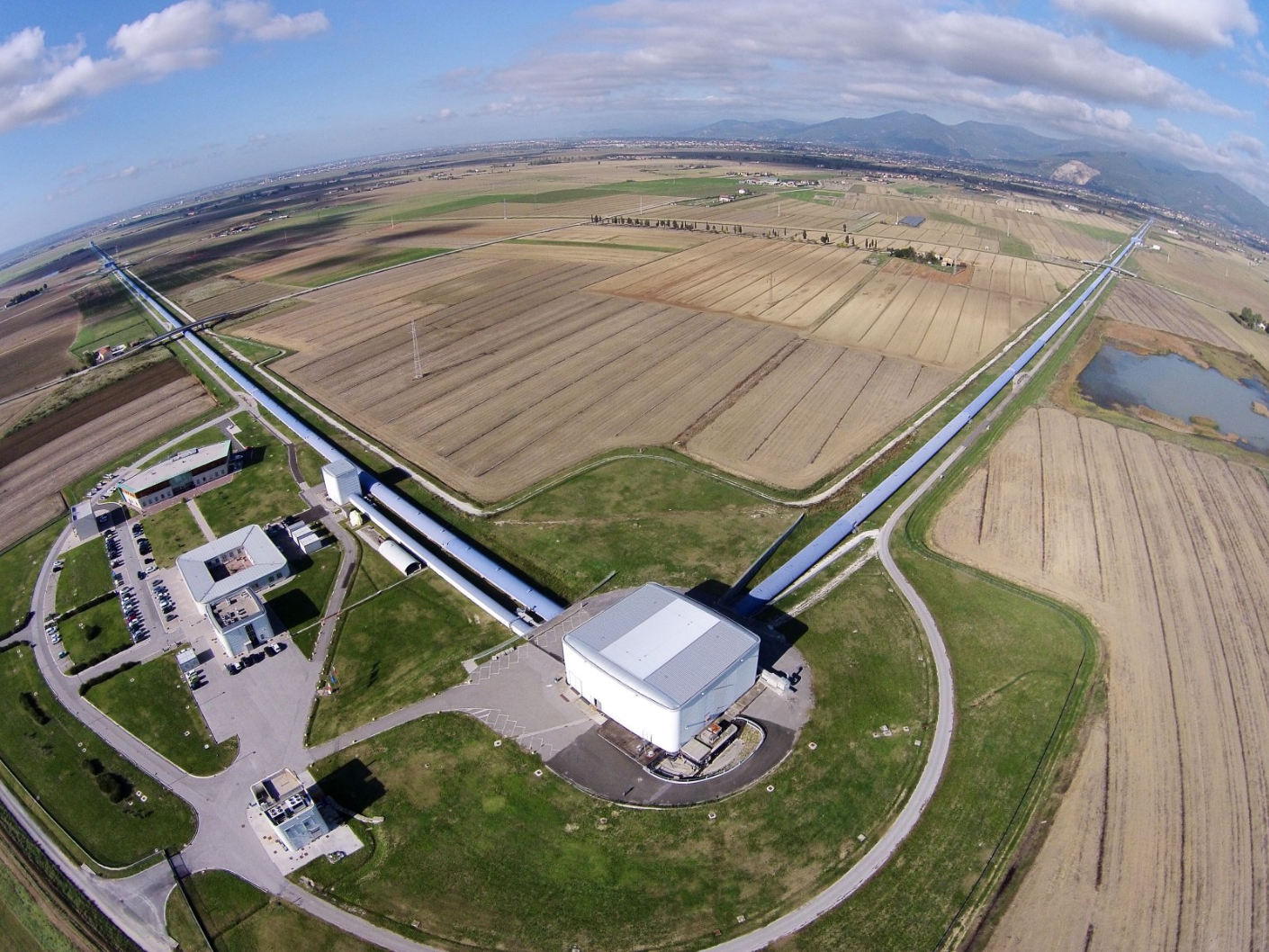
VIRGO is a laser interferometer for detecting gravitational waves located at the European Gravitational Observatory (EGO) in Cascina, near Pisa. Consisting of two 3-km-long arms that are perpendicular to each other, it measures extremely small changes in distance caused by the passage of gravitational waves generated by violent cosmic events, such as mergers of black holes and neutron stars. Together with the LIGO and KAGRA detectors, VIRGO contributes to the localization of sources and is a fundamental tool for the development of multi-messenger astronomy and the study of the extreme Universe.
Click here for more information.